
oval mirror with led lights
Understanding 3-Way Gate Valves An Overview In various industrial applications, valves play a crucial role in controlling fluid flow and pressure. Among the myriad types of valves, the 3-way gate valve is particularly significant. This article aims to provide a comprehensive understanding of the 3-way gate valve, its applications, benefits, and operational nuances. What is a 3-Way Gate Valve? A 3-way gate valve is a type of valve that is designed to control the flow of fluids in three different directions. Unlike traditional gate valves that typically allow flow in a single direction, 3-way gate valves have three ports—one inlet and two outlets. This design allows for multiple flow configurations, enabling the valve to divert or mix fluids as required by the system. Design and Construction The construction of a 3-way gate valve involves two main components the valve body and the gate. The valve body is usually made from durable materials such as stainless steel, brass, or plastic, depending on the application's requirements. The gate is typically a solid piece that can slide up and down to open and close the flow path. In a 3-way configuration, the valve can be constructed to operate in one of two primary configurations L-shape or T-shape. An L-shaped valve allows flow between two outlets with the third port acting as an inlet, while a T-shaped valve can allow for flow from one inlet to both outlets simultaneously. Applications The versatility of 3-way gate valves makes them suitable for a wide array of applications across different industries 1. Water Supply Systems In municipal water distribution, these valves help in directing water flow from a main pipeline to various service lines or for mixing water from different sources. 2. Chemical Processing In the chemical industry, 3-way gate valves facilitate the mixing of two or more chemicals or direct the flow to different treatment plants. 3. Heating and Cooling Systems HVAC systems often use these valves to control the flow of heated or cooled fluids, allowing for efficient temperature management in buildings. 4. Oil and Gas In the oil and gas sector, 3-way gate valves are used to manage flow and pressure in pipelines, ensuring safe and efficient transport of crude and refined products. gate valve 3 way 5. Hydraulic Systems These valves help in redirecting hydraulic fluid to various components of hydraulic machinery. Benefits of 3-Way Gate Valves 1. Flow Control The ability to divert and control flow in multiple directions enhances system efficiency and flexibility. 2. Durability Constructed from high-quality materials, 3-way gate valves are designed to withstand high pressures and extreme conditions, ensuring long-lasting performance. 3. Maintenance These valves are relatively easy to maintain. Their simple design allows for quicker inspections and repairs, reducing downtime in industrial operations. 4. Versatility Their adaptability to various applications makes them a preferred choice across multiple industries. Operational Considerations While the advantages of 3-way gate valves are substantial, there are operational considerations to keep in mind. Proper installation and alignment are crucial to ensure optimal performance. Additionally, care must be taken to avoid the use of these valves in throttling applications, as their primary function is on/off control. Regular maintenance checks are essential to identify any potential wear or damage to the gate or seals that could impair functionality. Conclusion In conclusion, 3-way gate valves are integral components in many fluid control systems. Their unique design allows for efficient flow management in multiple directions, making them an invaluable asset across various industrial applications. By understanding their functionality, benefits, and operational requirements, industries can harness the full potential of these versatile valves, ensuring optimal performance and efficiency in their processes. As technology advances, the evolution of 3-way gate valves continues, promising even greater reliability and function for the future.
about
oval mirror with led lights
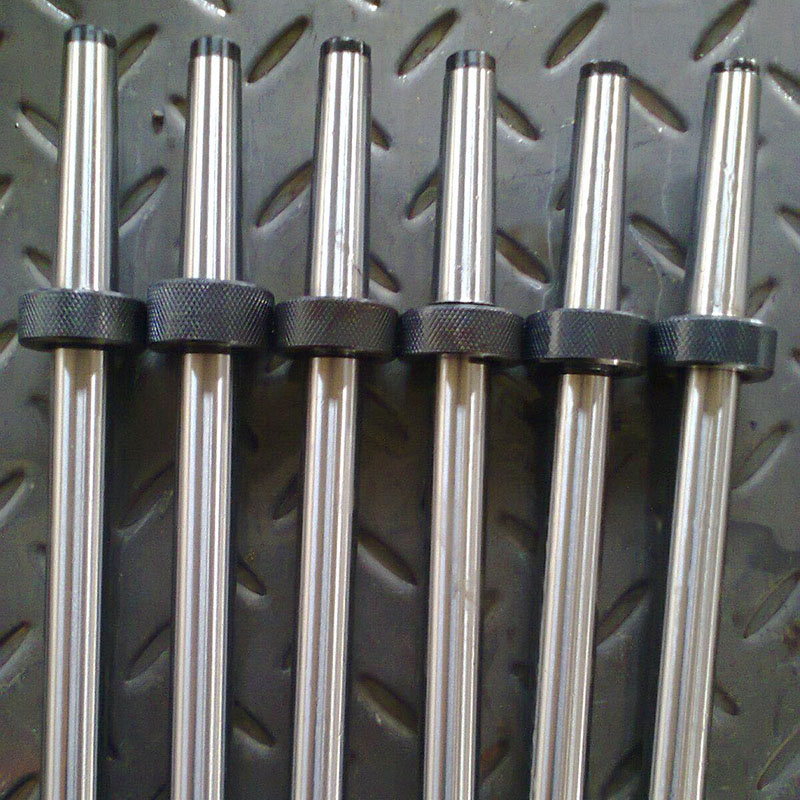
Understanding Thread Gauge Plugs A Comprehensive Guide Thread gauge plugs are essential tools in various industries, particularly in manufacturing, engineering, and quality control. These plugs are designed to measure the internal thread specifications of a component, ensuring that parts fit together as intended and function correctly. With the increasing complexity of mechanical assemblies, understanding how thread gauge plugs work and their applications is vital for maintaining high standards of precision and quality in production. What is a Thread Gauge Plug? A thread gauge plug is a precision instrument that verifies the dimensions and quality of internal threads within a component. The plug features a specific thread profile cut into it, which corresponds to a particular standard, such as ANSI, ISO, or JIS. These plugs are often made from high-quality steel and can undergo various treatments to enhance durability and resistance to wear. Thread gauge plugs can be classified into two main categories Go and No-Go gauges. The Go gauge checks if the internal thread is within tolerable limits, allowing for a smooth fit of the mating part. In contrast, the No-Go gauge ensures that the thread does not exceed the maximum acceptable limits. Together, these gauges help enforce consistency in manufacturing processes and reduce the likelihood of assembly issues. The Importance of Thread Gauge Plugs Understanding the importance of thread gauge plugs is crucial for maintaining quality control and ensuring the longevity of assembled products. Here are several reasons why they are so valuable in manufacturing 1. Quality Assurance By utilizing thread gauge plugs, manufacturers can establish a systematic approach to inspecting threaded components. Regular inspections prevent defects from reaching the final assembly stage, ensuring that every part functions as designed. 2. Consistency In large-scale production, maintaining consistency across components is vital. Thread gauge plugs help standardize measurements, reducing variations that can lead to fitting issues when parts are assembled. 3. Cost Efficiency Identifying and resolving thread issues early in the production process can save significant costs associated with rework or scrapping defective parts . Investing in proper measurement tools, such as thread gauge plugs, ultimately contributes to a more efficient manufacturing process. thread gauge plug 4. Enhanced Performance Components that fit together correctly are less likely to encounter stress or fatigue during operation. Ensuring precise threading can enhance the lifespan of the end product and improve overall performance. How to Use Thread Gauge Plugs The proper use of thread gauge plugs is critical for accurate measurement. Here are the steps to follow 1. Select the Appropriate Gauge Choose the plug gauge that corresponds to the thread specification you are measuring. It is essential to ensure that you are using the correct standard for your application. 2. Clean the Threaded Area Before inserting the gauge, ensure that the internal threads are clean and free of debris. Dirt or oil can lead to inaccurate measurements. 3. Test the Go Gauge First Insert the Go gauge into the threaded hole. It should easily engage, indicating that the thread is within acceptable limits. If it does not fit, the thread may be undersized. 4. Check with the No-Go Gauge Following the Go gauge test, insert the No-Go gauge. It should not engage with the thread; if it does, the thread is oversized or out of tolerance. 5. Document and Evaluate the Results After testing both gauges, record the results. If any discrepancies are found, review the manufacturing process to identify potential areas for improvement. Conclusion Thread gauge plugs are critical tools for ensuring the quality and consistency of threaded components in various industries. Their role in quality control cannot be overstated, as they help maintain the standards necessary for seamless mechanical assemblies. Understanding the functioning and application of thread gauge plugs is essential for anyone involved in manufacturing or quality assurance, highlighting their contribution to efficient production processes and enhanced product performance. Proper use of these gauges can lead to significant long-term benefits, making them an indispensable asset in any manufacturing environment.
-

High quality industrial productsagement

High quality industrial products
View Details -

Meet the diverse needs of customers

Meet the diverse needs of customers
View Details -

Strict quality control

Strict quality control
View Details -

Top raw materials

Top raw materials
View Details -

Trusted supplier

Trusted supplier
View Details
Our application

news and information
Vanne à soupape flanquée 4 pouces pour applications industrielles et domestiques
Vanne à opercule de 4 pouces avec brides une solution fiable pour les systèmes de conduits Les vann
where is the water shut off valve
Where is the Water Shut-Off Valve? Understanding the location and function of the water shut-off val
Welded Globe Valve Applications and Benefits in Industrial Systems
Understanding Welded Globe Valves Functionality and Applications Welded globe valves are critical co
 English